The science of canine happiness
Positive wellbeing research for dogs and the people who rely on them.
Happy Dog Science is a research program at the University of Melbourne’s Animal Welfare Science Centre, devoted to helping dogs live their best lives with us. Our team works across behavioural ethology, physiology, citizen science and emerging technologies to build a rigorous evidence base for positive canine welfare - moving beyond the absence of suffering toward understanding what dogs genuinely value. Led by Dr Mia Cobb, the Chaser Innovation Research Fellow in Canine Welfare Science, we collaborate with researchers, practitioners and dog owners worldwide. We work openly, inclusively, and with the dog’s experience as our focus.
Our research themes
Our work spans six themes that build a picture of what dogs experience and how that experience can be improved.
Behavioural indicators of positive welfare
What does happiness look like in the dog in front of us?
Physiology and biomarkers
Measuring positive welfare beyond cortisol.
Citizen science
Discovering what people see and value.
Working dog welfare
Understanding the experience of dogs who work with us.
Transparency and translation
Turning evidence into practice, policy and improved outcomes.
Emerging technologies
Digital tools, intelligent systems and AI-assisted methods for canine welfare.
Latest news
Happy Dog Science
Mia shares her career journey that led her to be a canine welfare researcher. Dogs do so much for us, but how can we use science to make sure we are giving them their best lives?
Dog science on the radio
Triple RRR (102.7FM)’s Dr Shane Huntington interviews Mia about the realities of dog welfare science – how people think about their dogs, what informs our science, and how we implement change for good.
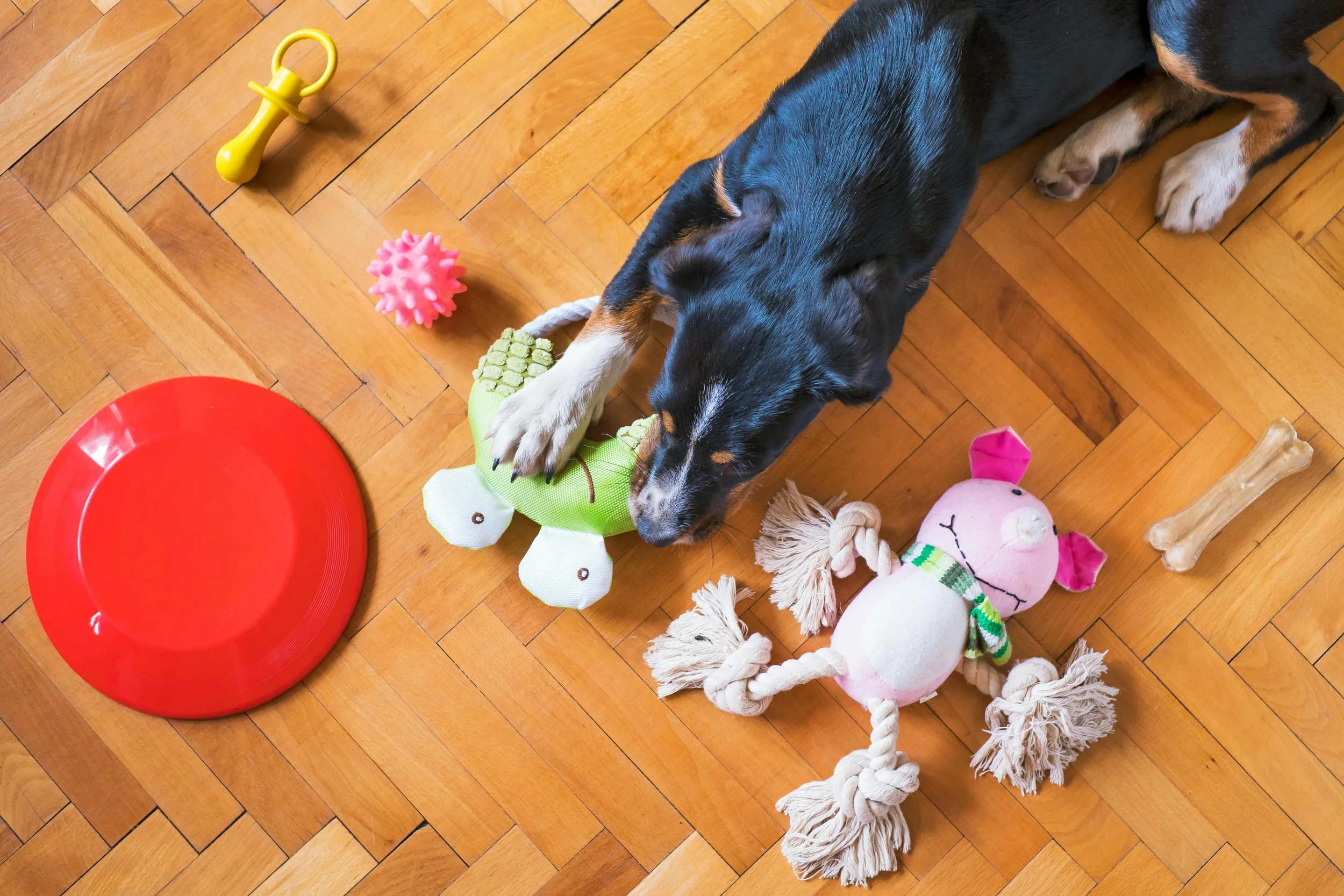
Your dog is not a doomsday prepper
Here’s why they hide food and toys
Beyond Cortisol!
A new scientific foundation for measuring dog welfare Cobb, Jimenez & Dreschel (2025), Journal of Applied Animal Welfare Science
A deep dive into the physiological evidence base for canine welfare, identifying where current measurement falls short and where the greatest opportunities lie.
What the global decline of greyhound racing means for all dogs
Why do dogs eat poo?
A canine scientist explains
Our Team
We are a small, growing team based at the University of Melbourne’s Animal Welfare Science Centre, in the Melbourne Veterinary School as part of the Faculty of Science. Our work draws on collaborations with researchers, clinicians, working dog organisations, and dog owners worldwide.
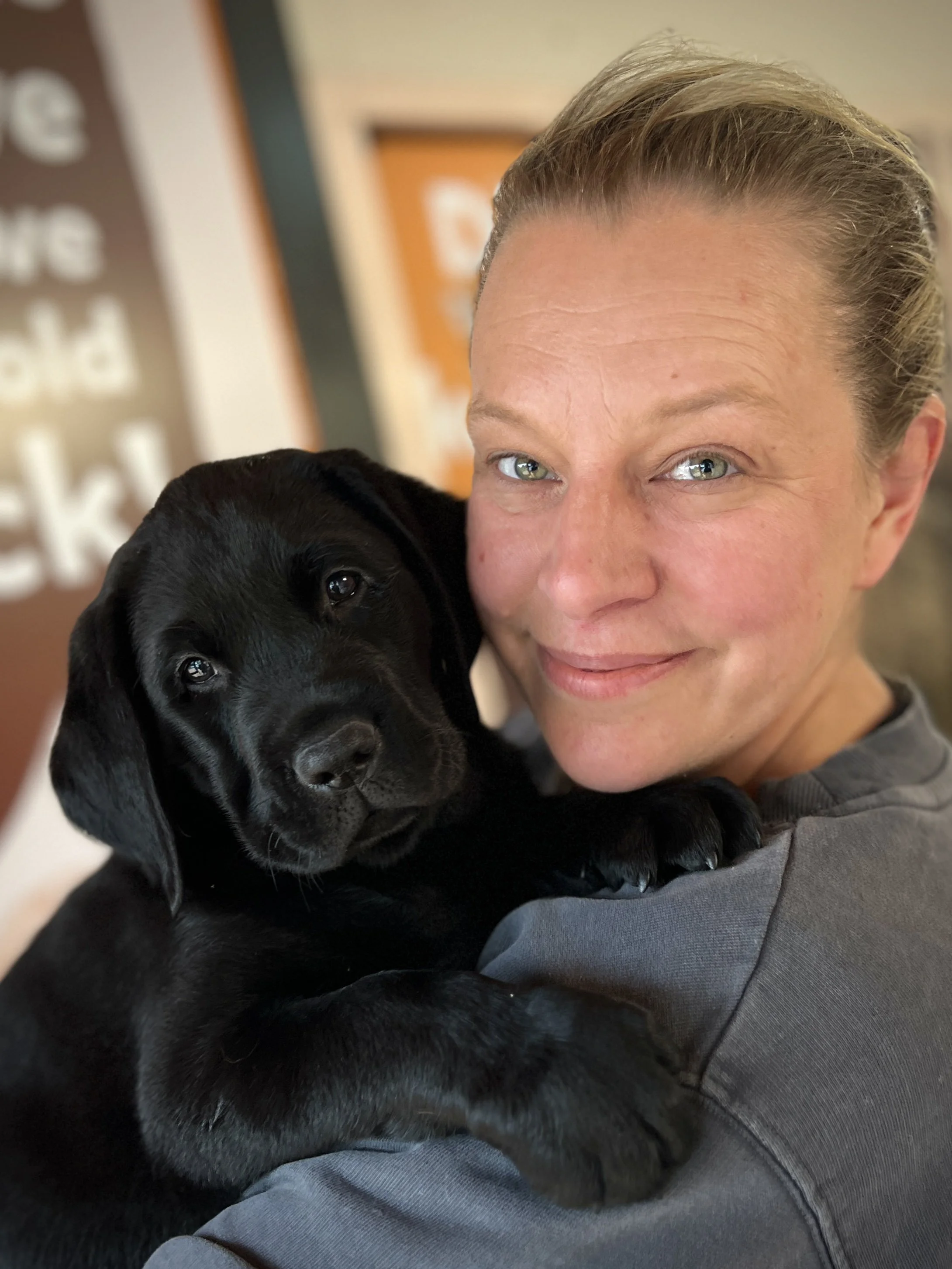
Dr Mia Cobb — Project Lead
Chaser Innovation Research Fellow in Canine Welfare Science · John McKenzie Fellow
Mia is an interdisciplinary scientist who has spent more than 25 years working with and for dogs. Before moving into research, she worked in rescue shelters and managed the training kennels and veterinary clinic at Guide Dogs Victoria. She went on to lead national working dog welfare research for the Australian Government and now researches at one of the world’s leading animal welfare science centres.
Her work sits at the intersection of animal welfare science, human psychology, science communication and emerging technologies. She is one of a small number of researchers globally whose work centres the dog’s experience rather than human benefit, and her science communication reach helps ensure findings translate beyond journals into everyday practice.
Mia holds a PhD from Monash University, where she examined the human attitudes and kennel management practices related to the welfare and performance of working dogs. She has previously held research and education positions at the University of Sydney, La Trobe University, Monash University and Deakin University.
Recent recognition includes the Professor Andrew Fisher Award for Animal Welfare (Melbourne Veterinary School, 2025), the Women in Science Academic Award (University of Melbourne, 2025), and third place in the University of Melbourne’s Big Science Pitch (2025).
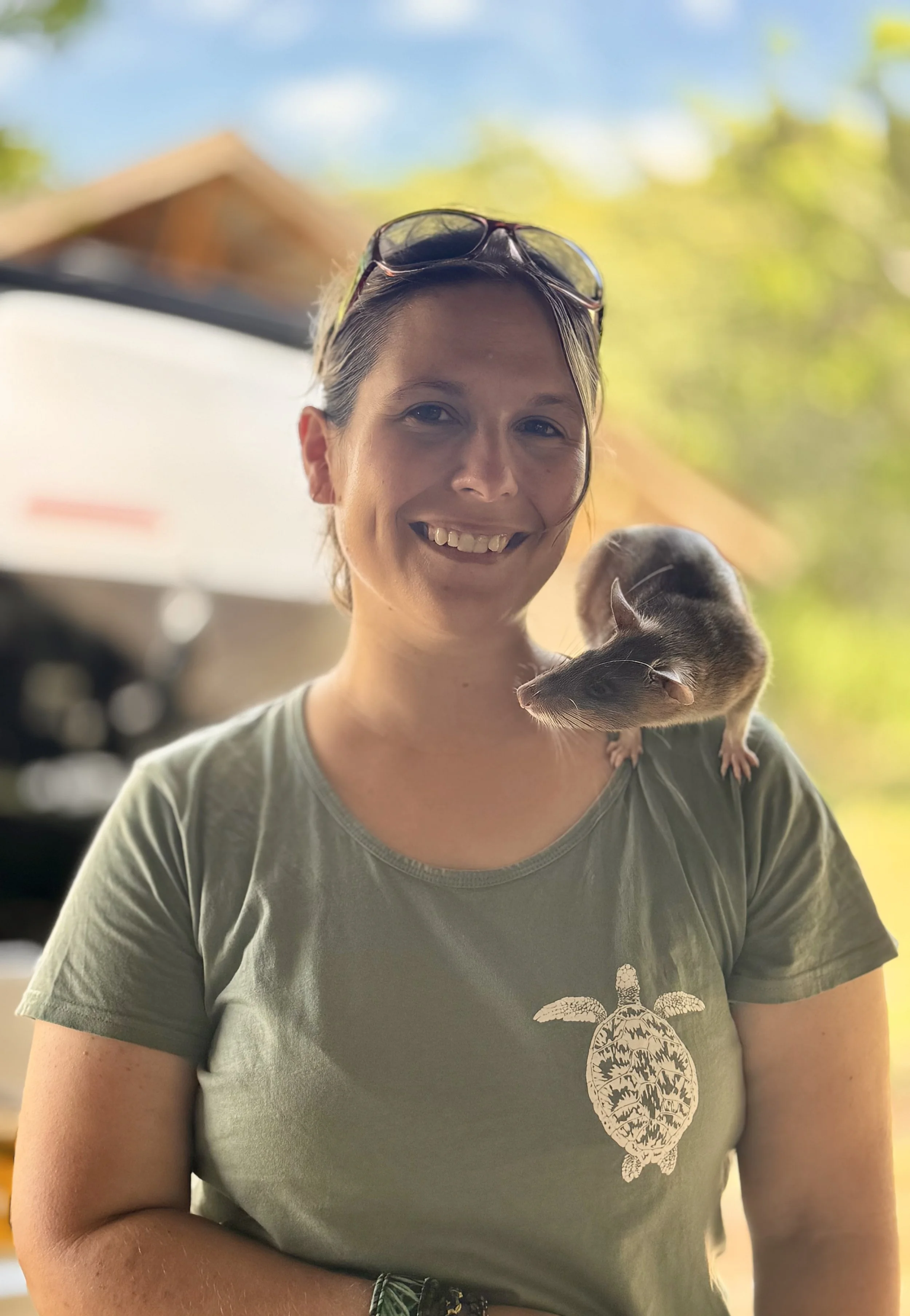
Dr Jade Fountain
Postdoctoral Research Fellow, Canine Welfare Science
Jade joined Happy Dog Science as our inaugural Postdoctoral Research Fellow, supported by the University of Melbourne Researcher Development Grant. Her role expands the team’s capacity for the advanced scientific methods needed to measure and validate positive canine welfare.
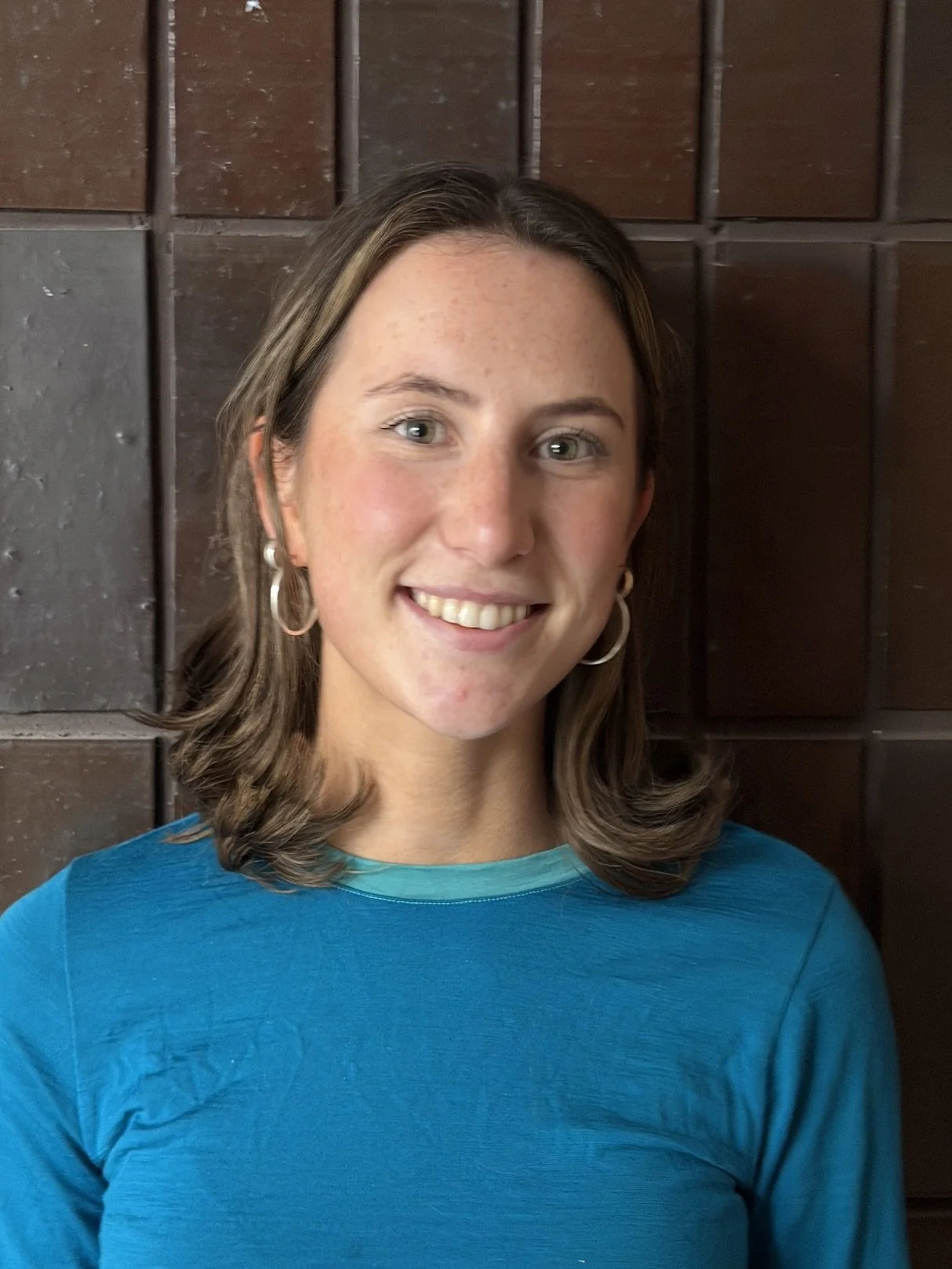
Juliet Hales
Honours Student, Bachelor of Science Honours
Juliet is investigating the thermal and acoustic conditions experienced by working dogs in vehicles during Melbourne’s cooler months. Her Cold Comfort? project deploys data loggers across operational vehicles to capture real-world temperature, humidity and sound levels through autumn and winter, and pilots behavioural video capture to identify dog indicators of thermal and auditory comfort and discomfort.

Cindy Lee
Masters Candidate, Master of Agricultural Sciences (Animal Science)
Cindy is leading the pilot study for our working dog vehicle welfare program. Her project characterises thermal conditions inside operational vans under controlled worst-case hot day scenarios, comparing four mitigation strategies: windows open, doors open, mechanical ventilation, and shaded.

Mariska Prahaladh
Masters Candidate, Master of Science (BioSciences)
Mariska is conducting the full-year study of seasonal variation in thermal and acoustic conditions inside working dog vehicles. Over 15 months, she will collect environmental data alongside seasonal video sampling of dogs in vans to validate behavioural indicators of comfort and discomfort, and survey people on their awareness of and attitudes toward thermal and acoustic risks in working dog management.
Get in Touch
Got a question, a collaboration in mind, or a story to tell us about your dog? We would love to hear from you via the form below:
Support our work
We welcome conversations with you about how we can, together, shape the future of canine welfare research. Gifts of any size can be accepted at giving.unimelb.edu.au/cwsfellow, or please reach out to us to speak further about the full range of opportunities.